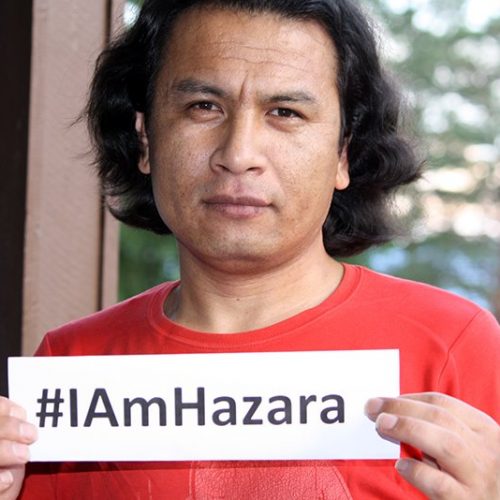
I Am Hazara, A Native People of Hazaristan
Kamran Mir Hazar
The identity I claim is Hazara. It is rooted in the ancient, autonomous history of my native land, Hazaristan, our Hazara country. The identity I reject is Afghan. It is a politically-imposed demonym and a tool of internal colonialism that facilitates the erasure of our history.
Calling a Hazara an ‘Afghan’ is not just an inaccuracy. It is an act that affirms a system of structural violence against our stateless nation.
1. Deconstructing the Narrative: We Are Native, Not Foreign
Our rejection of the “Afghan” label is a fight against the dominant narrative used to strip us of our right to the land and to self-definition.
-
Weaponized Identity: The term “Afghan” historically referred to the Pashtun ethnic group. Its later, forced application as a civic label was an act of ethnic engineering designed to create a monolithic identity and centralize power over all other peoples within the borders of so-called Afghanistan.
-
The Foreigner Myth: The popular claim that Hazaras are merely descendants of 13th-century Mongol invaders is a historical fabrication. This false narrative is deliberately promoted to brand us as outsiders and justify our marginalization.
-
Our Indigenous Truth: Our presence is ancient. Historians and classical records affirm our deep, continuous connection to this territory. Travelers like Joseph Pierre Ferrier noted our people living in the same region as far back as the time of Alexander the Great, proving our identity is older than the state itself.
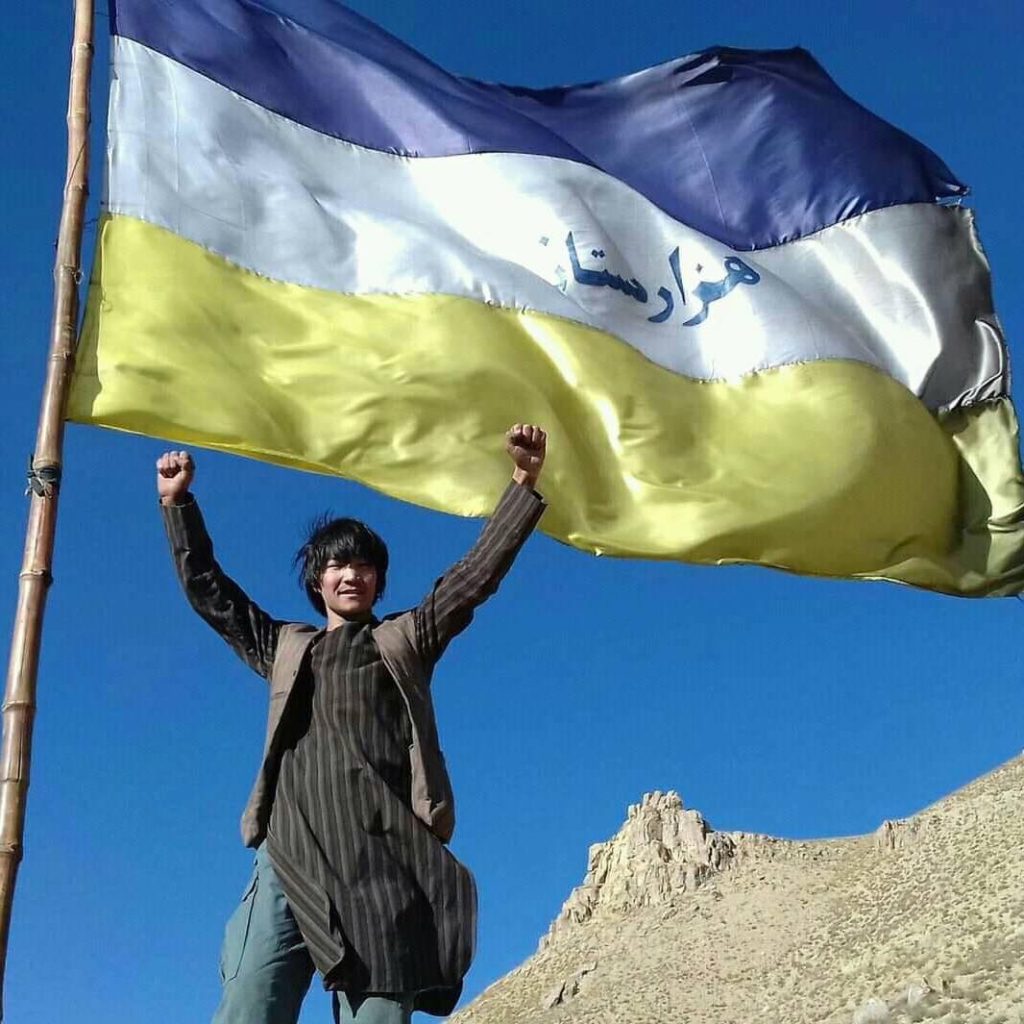
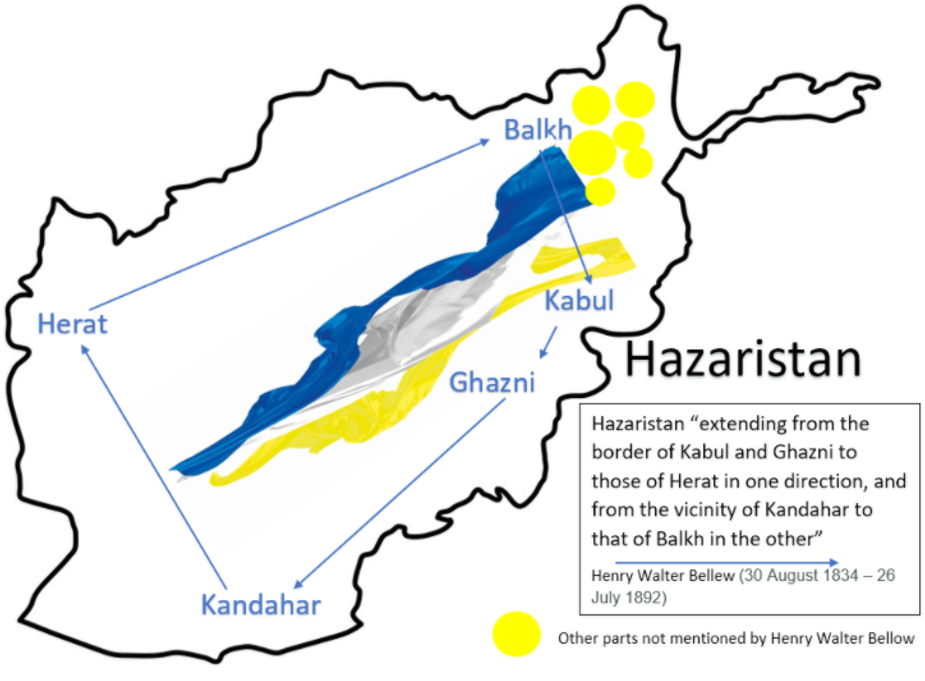
Hazara, Hazaristan and the flag of Hazaristan
2. Conquest, Colonialism, and Ongoing Genocide
The political identity we reject is fundamentally tied to the violent conquest of our independent homeland.
-
The Loss of Autonomy: Hazaristan, our Hazara country, was a vast, self-governing territory that resisted outside control for centuries.
- The Founding Violence: Our independence was brutally ended by the genocidal campaign of the Pashtun ruler, Abdur Rahman Khan, in the 1890s. This campaign was executed with the military, financial, and political support of the British. This support enabled the Pashtun tribes to genocide and invade vast Hazara lands, beginning from the very south of Hazaristan in Kandahar and sweeping through Uruzgan, Helmand, a large part of Ghazni, Zabul, Maidan, and other regions. This campaign resulted in the massacre or enslavement of over 60% of our population. The modern state of so-called Afghanistan was founded on the subjugation of our people.
-
The Continuous Crime: We continue to face an ongoing genocide today. This systemic persecution includes targeted massacres, cultural erasure, land seizure, and the refusal to hold international-standard censuses to suppress our political power.
3. Asserting Sovereignty Through Unfading Culture
To reclaim the name Hazara is to declare our cultural sovereignty. Our identity is one of resistance, rooted in a history of profound cultural achievement.
In the caves of Bamiyan, in Hazaristan, are the sites of the oldest oil paintings in the world. Our heritage is one that shines through the centuries, despite all attempts at erasure.
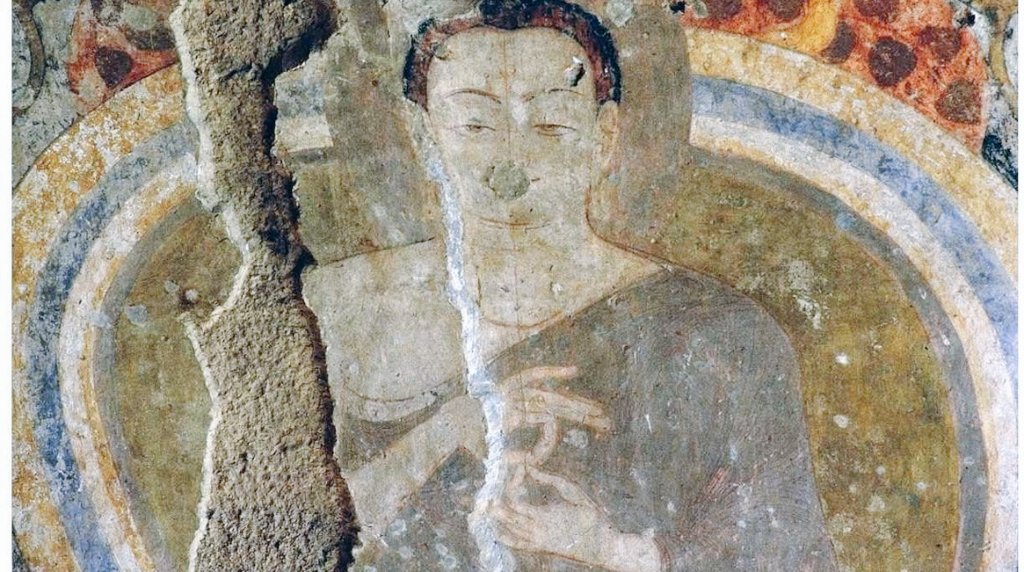
Ancient Art from Bamiyan: A Glimpse into Hazaristan’s Past
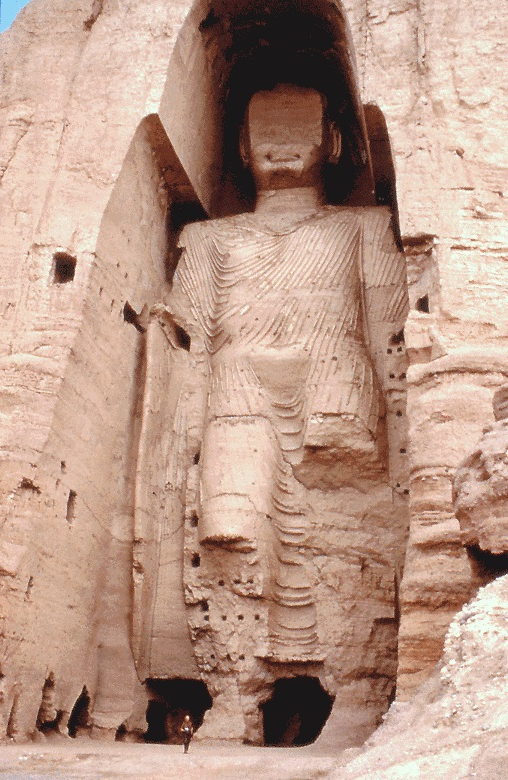
This includes the two highest standing Buddhas in the world, once carved into the cliffs of Bamiyan: Salsal (or Sorkh Bot) and Shahmama (or Khonak Bot). These were unique cultural and historical masterpieces of Hazara culture and history. The existence of Shahmama, the female figure, gives them an explicit uniqueness rooted in Hazara history before the arrival of Buddhism. Their destruction by the Pashtun Taliban was an act of cultural genocide, executed alongside the Hazara genocide and the invading of Hazara land.
As a Hazara, I see this spirit and the unwavering permanence of our culture reflected in the poetry I write about our homeland:
“The bowl glows like a captured sun, / the first / oil painting, / time gathering in her hands. At the threshold, / Xuanzang stands, witnessing art… He looks toward Nili, / where no pigment fades, where no shadow falls. / The raft hums its melody, / becoming the first painting, / in the Hazara country, / in Hazaristan.”
I am a Hazara. I am a native of Hazaristan, our Hazara country. My existence is my resistance. I am not Afghan.
First published in March 17, 2013